On this page
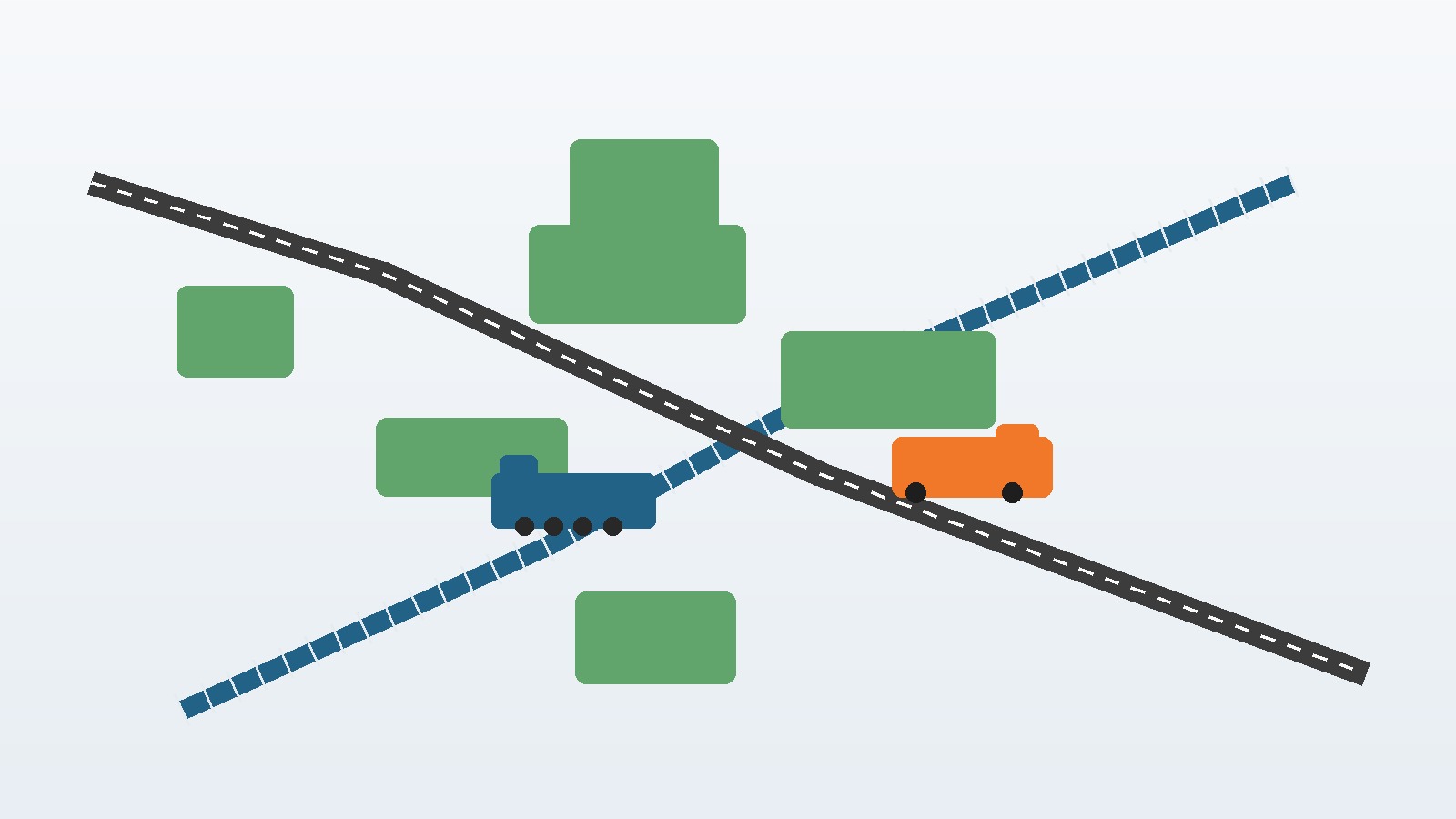
Everyone debates ocean vs. air. But in a lot of lanes, “land first”—road & rail before anything else—wins on consistency, emissions, and total landed cost. Here’s how to spot those wins and operationalize them.
Why land-first
Signals that road & rail beat the alternatives
- Corridor density & high rail reliability (predictable dwell, predictable ETAs).
- Volume that fills trailers/containers consistently—no urgency premium needed.
- Carbon targets favor rail; cost per ton-km drops once dwell is controlled.
Helper
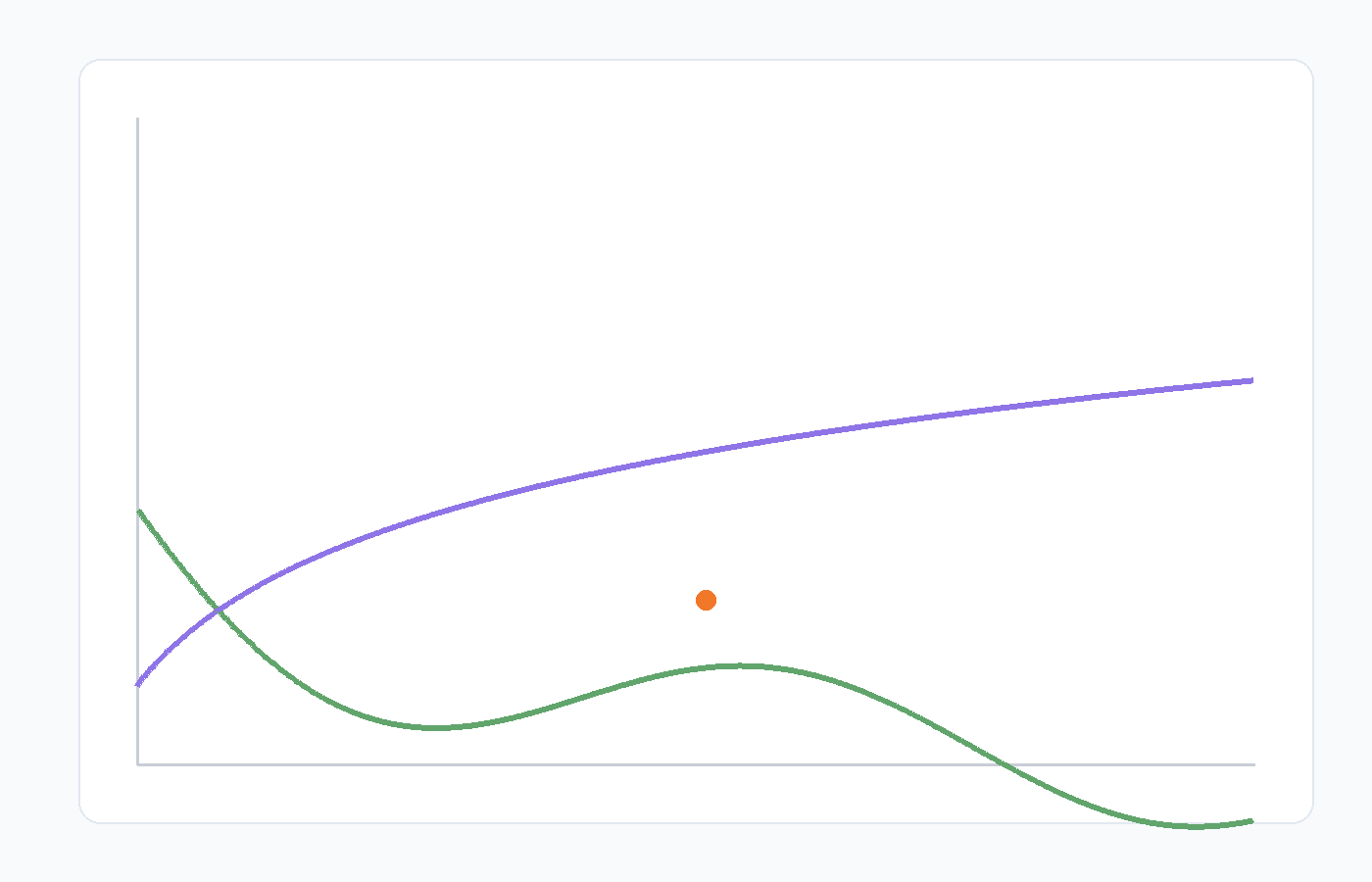
Land-First Viability (quick math)
Design patterns: network & handoff
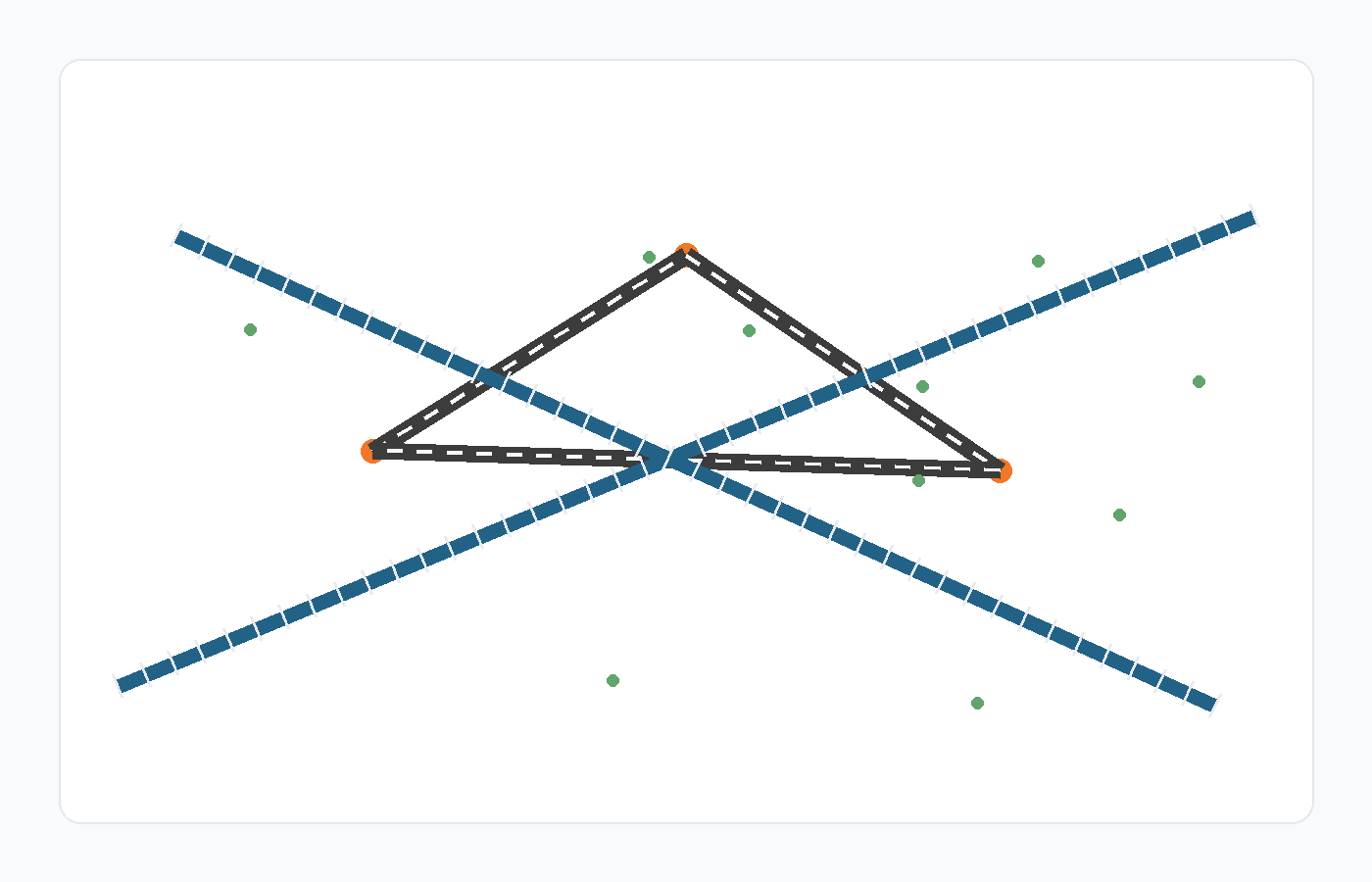
Predictable rail slots
Regional cross-docks
Yard visibility & dwell SLAs
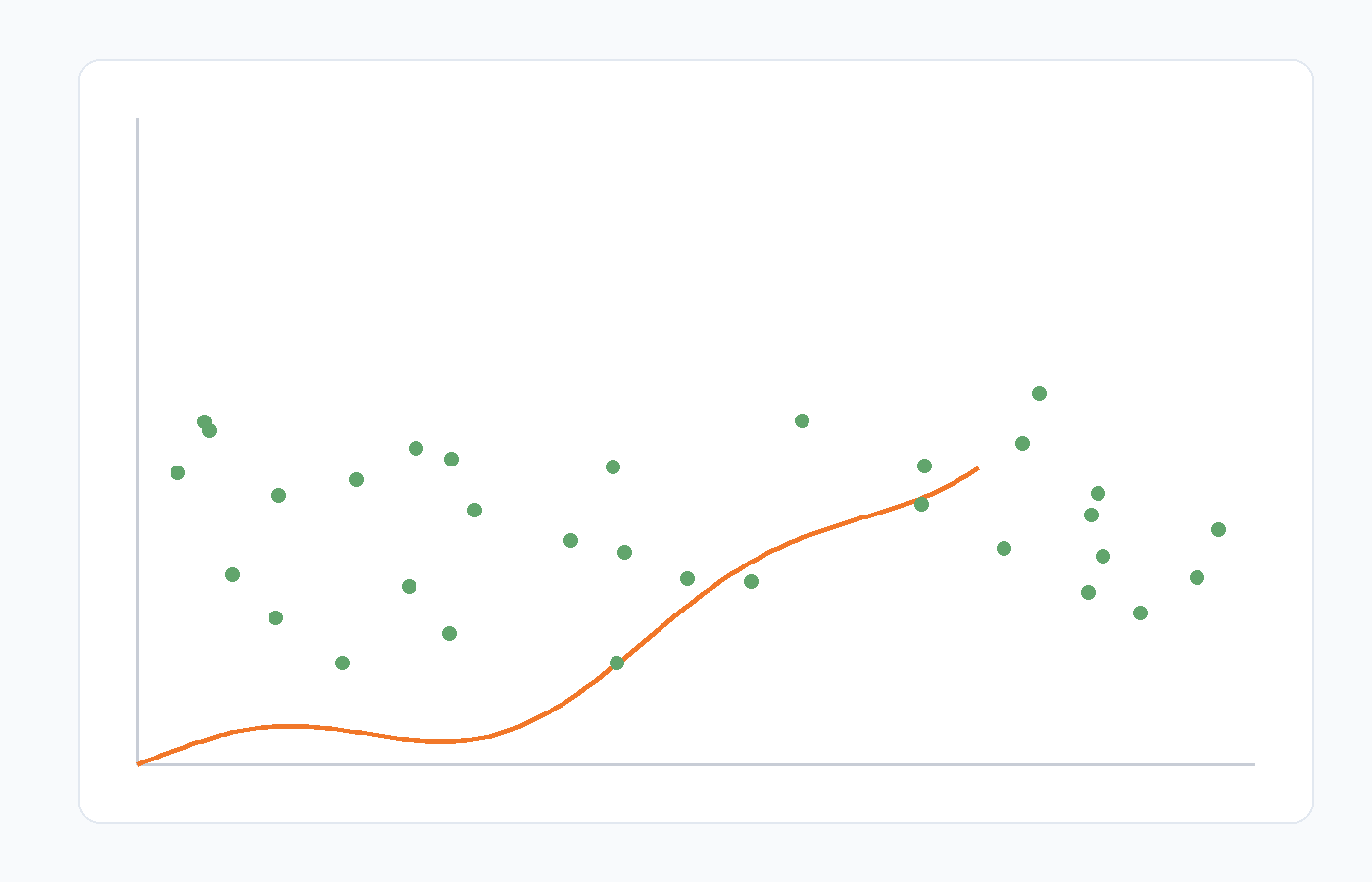
Dwell vs. total landed cost
Every hour of yard dwell adds real money—equipment, labor, buffer stock, missed windows. Track it.
Decision matrix
| Signal | Lean Road | Lean Rail |
|---|---|---|
| Transit target | Fast/short-haul | Medium-long haul |
| Volume profile | Irregular, variable | Steady lanes, blockable |
| Cost/ton-km | Higher, flexible | Lower, slot-dependent |
| Carbon intensity | Higher | Lower |
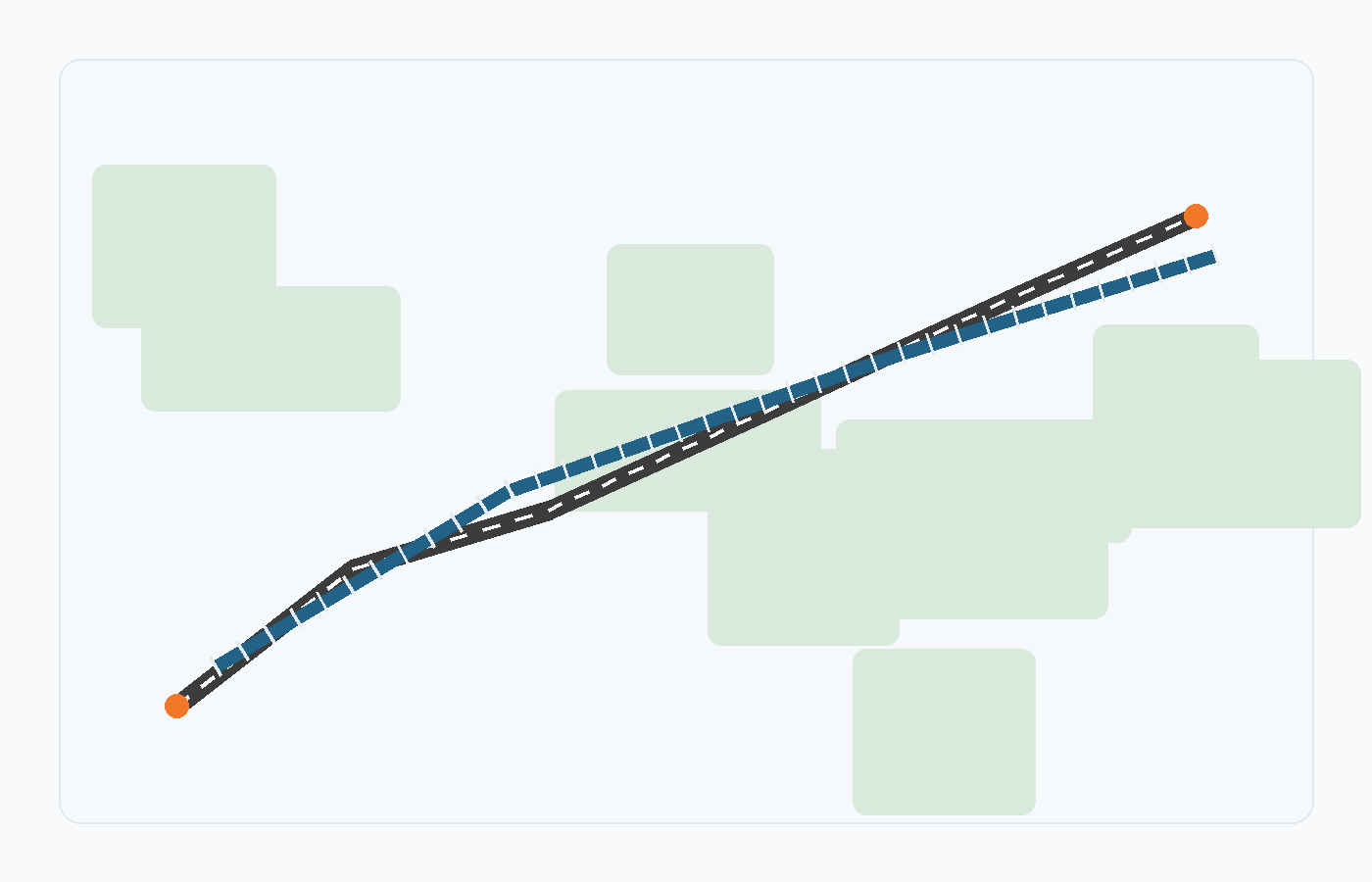
Case study: land-first on a cross-border lane
Land-first checklist
0 comments
Leave a commentNo comments yet — be the first to share your thoughts.
Write a commentLeave a comment